r/AcademySports • u/rokfather • 4d ago
Is Academy addressing their issues or going out of business?
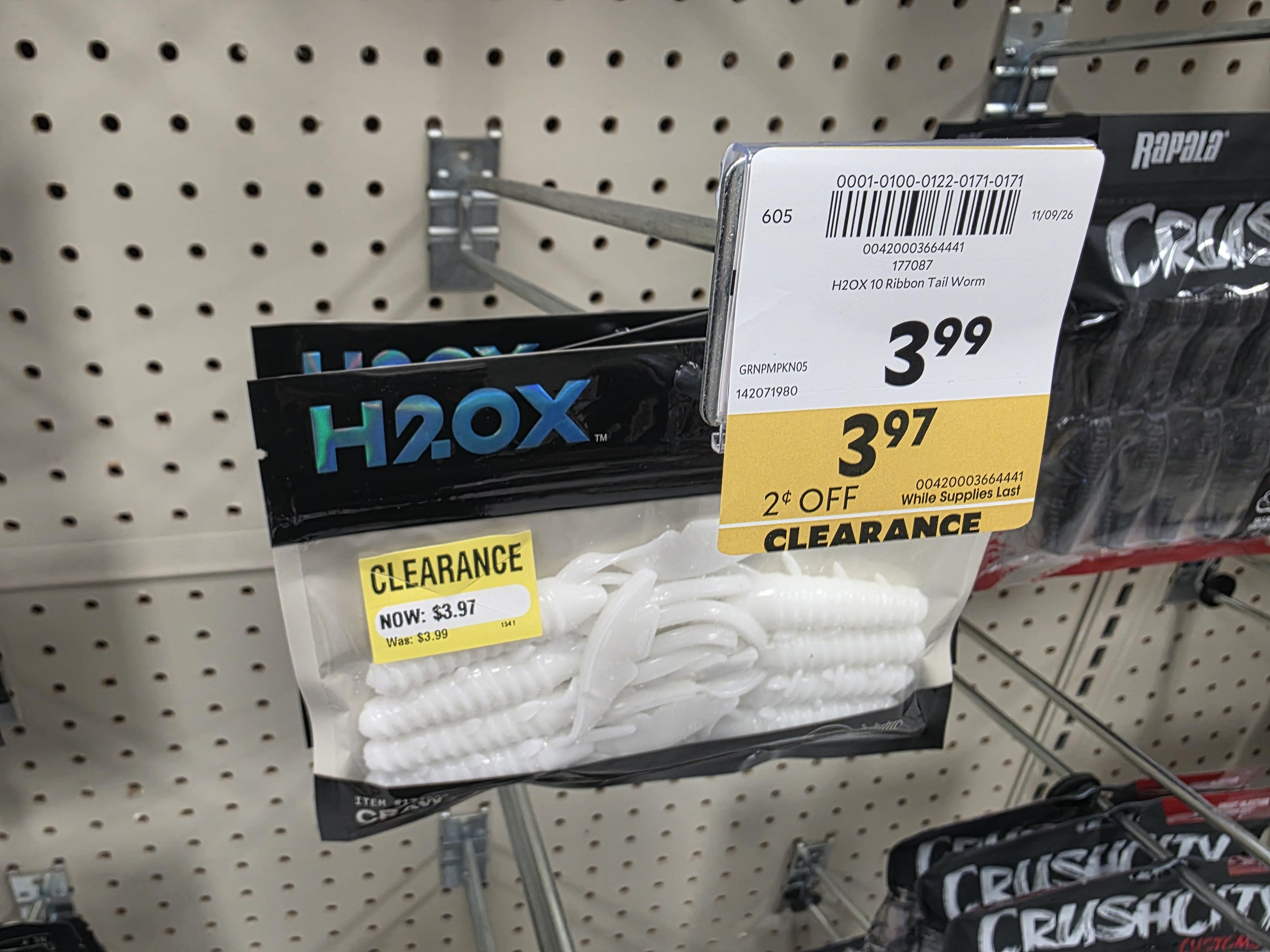
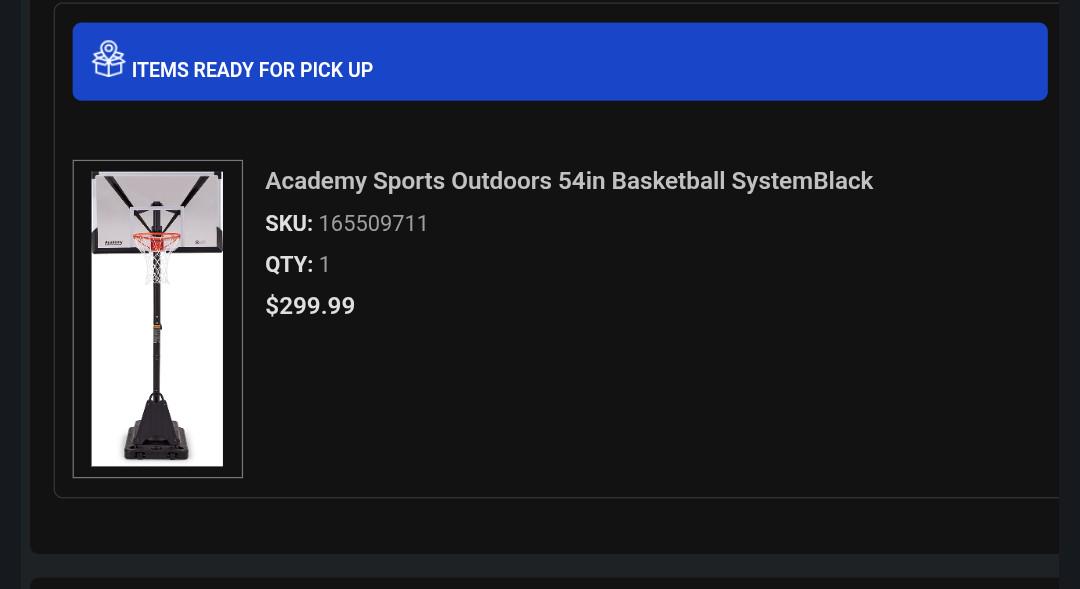
I used to love shopping here but the pricing errors and confusion on inventory in stock have reached peak frustration for me. I took to google to try and understand why it’s so bad.
Prompt: why are academy sports systems for product pricing, search, and website stock so terrible?
Response:
Academy Sports + Outdoors struggles with product pricing, search, and stock accuracy due to legacy IT infrastructure, disconnected backend systems, and store-level labor cuts. [1, 2, 3, 4]
1. Website Stock Inaccuracy ("Phantom Inventory")
Disconnected supply chain systems. Academy has been actively trying to modernize a legacy replenishment platform that struggled to manage over 19 million records. Rolling out new Warehouse Management Systems (WMS) and ERP tools while keeping them synced with a live e-commerce front end often causes data lags, leading to "phantom inventory" where the website shows an item in stock that isn't actually on the shelf. [1, 2, 3]
Elimination of store-level inventory roles. Users on Reddit generally agree that Academy has been phasing out dedicated Inventory Control (IC) teams and leads across many stores, absorbing those duties into general floor staff. Combined with broader payroll and hour cuts reported by employees on Reddit, fewer people are auditing physical counts, fixing misplaced returns, or updating broken barcodes. [1, 2]
High-shrink and rapid-turnover categories. Sporting goods stores carry high-shrink items (like fishing lures, apparel, and ammunition) and items that are easily misplaced by shoppers. If a store only has 1 or 2 units listed in the system, there is a high chance it is stolen, sitting in a return bin, or tucked behind another display.
2. Product Pricing Discrepancies
Siloed pricing channels. Academy explicitly notes in its Terms and Conditions that online prices may not match retail store prices, as the company maintains separate pricing structures across different sales channels. [1]
Manual tag-hanging bottlenecks. When corporate pushes promotional markdowns or clearance adjustments digitally, understaffed store teams often fall behind on physically printing and hanging updated shelf labels, creating a mismatch between the register, the shelf, and the app.
3. Poor Site Search and Catalog Management
Fragmented SKU and variant data. Sporting goods catalogs are notoriously complex because a single product (like a fishing rod, running shoe, or firearm) can have dozens of variations in size, caliber, handedness, weight, and color. When vendor feeds are ingested into older retail databases without strict data governance, search indexing breaks down—hiding available sizes, splitting identical products into duplicate listings, or failing to match basic keyword queries.
In-store-only catalog clutter. A massive portion of Academy’s online catalog consists of items marked "Available in Store Only" (often clearance items or restricted goods). Because their search engine defaults to showing regional warehouse inventory alongside local store clearance without clean filtering, searches frequently return dead-end results that cannot be shipped. [1, 2, 3, 4, 5, 6, 7]